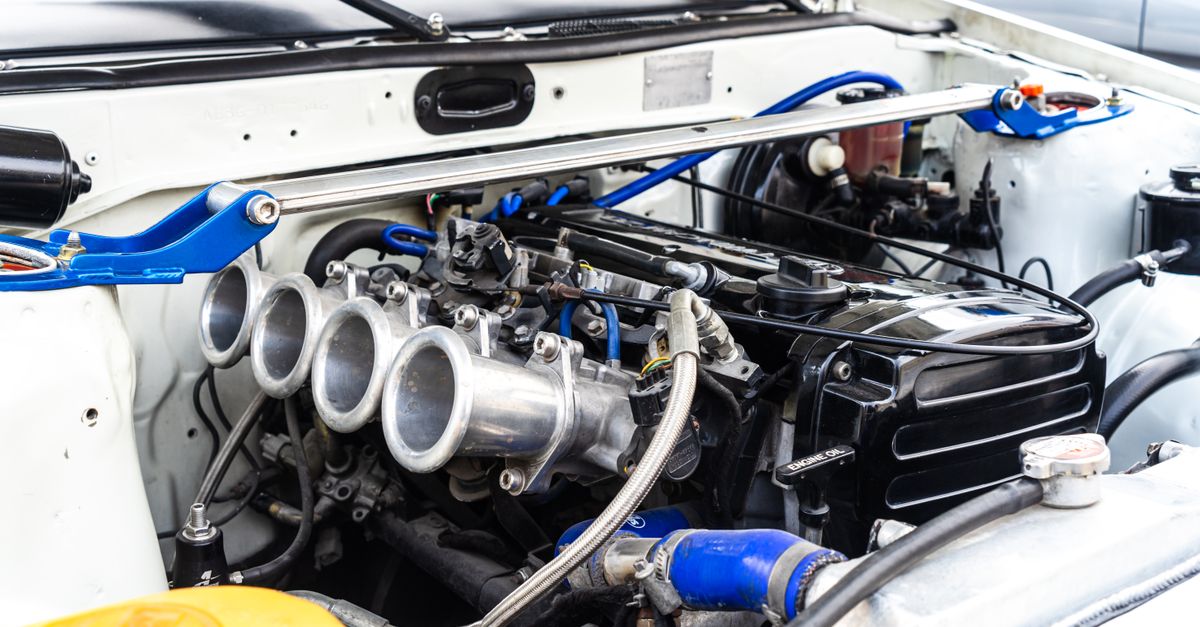
Fuel Line Upgrades for Performance and Towing: A Guide
Introduction to Fuel Line Upgrades
Fuel line upgrades are an essential modification for vehicle owners who want to improve their vehicle’s performance and towing capacity. Whether you’re a DIY mechanic or a performance enthusiast, understanding the benefits and types of fuel lines available can help you make informed decisions.
Why Upgrade Your Fuel Line?
Upgrading your fuel line can provide several benefits, including increased fuel flow, improved engine performance, and enhanced towing capacity. A high-quality fuel line can also reduce the risk of fuel leaks and engine damage.
Types of Fuel Lines
There are several types of fuel lines available, including stainless steel, aluminum, and nylon. Each type has its own advantages and disadvantages. For example, stainless steel fuel lines are durable and resistant to corrosion, while aluminum fuel lines are lightweight and flexible.
- Stainless steel fuel lines: durable and resistant to corrosion
- Aluminum fuel lines: lightweight and flexible
- Nylon fuel lines: resistant to abrasion and cracking
Choosing the Right Fuel Line
Choosing the right fuel line for your vehicle depends on several factors, including your vehicle’s make and model, engine type, and intended use. For example, if you’re a truck owner who uses your vehicle for towing, you may want to consider a heavy-duty fuel line that can withstand the increased stress and pressure.
Installation and Maintenance Tips
Installing a new fuel line requires careful planning and attention to detail. Make sure to follow the manufacturer’s instructions and take necessary safety precautions to avoid injury or damage to your vehicle.
- Follow the manufacturer’s instructions
- Use proper safety equipment, such as gloves and safety glasses
- Test the fuel line for leaks and damage before use
Common Mistakes to Avoid
When upgrading your fuel line, there are several common mistakes to avoid, including using low-quality materials, improper installation, and neglecting regular maintenance.
- Using low-quality materials can lead to fuel leaks and engine damage
- Improper installation can cause fuel line failure and engine damage
- Neglecting regular maintenance can lead to fuel line degradation and failure
FAQs
Q: What is the benefit of upgrading my fuel line?
A: Upgrading your fuel line can improve your vehicle’s performance and towing capacity, while also reducing the risk of fuel leaks and engine damage.
Q: What type of fuel line is best for my vehicle?
A: The best type of fuel line for your vehicle depends on several factors, including your vehicle’s make and model, engine type, and intended use. Consult with a professional mechanic or refer to your vehicle’s manufacturer instructions for guidance.
For more information on fuel line upgrades and other automotive topics, visit the Driven2Parts shop or consult with a trusted automotive source, such as the National Highway Traffic Safety Administration.
By upgrading your fuel line with a high-quality aftermarket part, you can improve your vehicle’s performance and towing capacity, while also reducing the risk of fuel leaks and engine damage. Consider visiting the Driven2Parts shop to explore your options and find the best fuel line upgrade for your needs.