Best Brake Pads For Trucks: A Guide To Upgrading Your Braking System
Introduction to Brake Pads
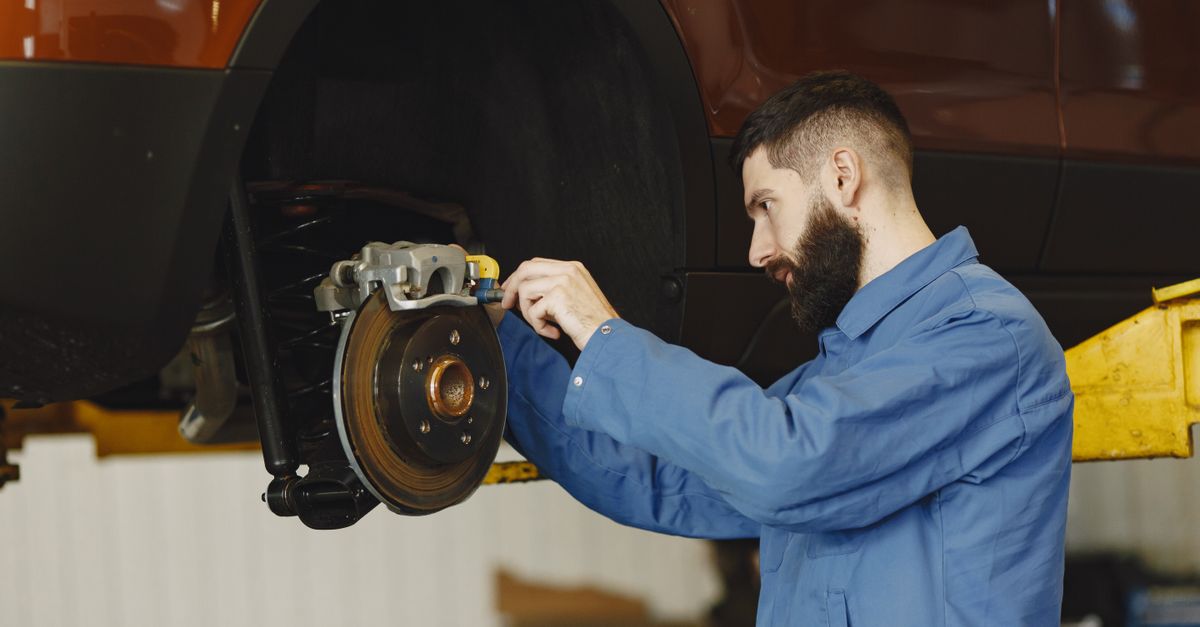
As a truck owner, you understand the importance of having a reliable braking system. One of the most critical components of your truck’s braking system is the brake pads. Brake pads are designed to wear out over time, and when they do, it’s essential to replace them with high-quality aftermarket brake pads.
Why Upgrade Your Brake Pads?
Upgrading your brake pads can significantly improve your truck’s safety and performance. Worn-out brake pads can lead to reduced stopping power, increased stopping distance, and even damage to other components of your braking system. By installing the best brake pads for trucks, you can ensure that your vehicle stops quickly and safely, even in emergency situations.
Types of Brake Pads
There are several types of brake pads available, including semi-metallic, non-asbestos organic, and ceramic brake pads. Each type has its own unique characteristics and benefits. Semi-metallic brake pads are known for their high heat tolerance and excellent stopping power, while ceramic brake pads are designed for their quiet operation and low dust production.
How to Choose the Best Brake Pads for Your Truck
Choosing the best brake pads for your truck can be a daunting task, especially with so many options available. Here are some factors to consider when selecting brake pads:
- Material: Consider the type of material used in the brake pads, such as semi-metallic, non-asbestos organic, or ceramic.
- Heat tolerance: If you drive in extreme temperatures or tow heavy loads, look for brake pads with high heat tolerance.
- Stopping power: Consider the level of stopping power you need, and choose brake pads that meet or exceed your requirements.
- Noise and vibration: If you’re looking for a quiet and smooth ride, consider brake pads with low noise and vibration characteristics.
Installation and Maintenance Tips
Installing new brake pads is a relatively straightforward process, but it does require some technical knowledge and expertise. Here are some tips to keep in mind:
- Always follow the manufacturer’s instructions for installation and maintenance.
- Use the correct tools and equipment to avoid damaging other components of your braking system.
- Inspect your brake pads regularly to ensure they’re wearing evenly and not excessively.
Common Mistakes to Avoid
When upgrading your brake pads, there are several common mistakes to avoid. These include:
- Installing brake pads that are not compatible with your truck’s braking system.
- Not following the manufacturer’s instructions for installation and maintenance.
- Not inspecting your brake pads regularly to ensure they’re wearing evenly and not excessively.
FAQs
Here are some frequently asked questions about brake pads:
- Q: How often should I replace my brake pads?
- A: The frequency of brake pad replacement depends on several factors, including your driving habits and the type of brake pads you’re using. As a general rule, it’s recommended to replace your brake pads every 30,000 to 50,000 miles.
- Q: Can I install brake pads myself?
- A: Yes, you can install brake pads yourself, but it’s recommended to have a professional mechanic do the job if you’re not experienced with brake repairs.
For more information on brake pads and other automotive topics, visit the National Highway Traffic Safety Administration website. To find the best aftermarket brake pads for your truck, visit our online store at Driven2Parts.
| Brake Pad Type | Material | Heat Tolerance | Stopping Power |
|---|---|---|---|
| Semi-Metallic | Metallic | High | Excellent |
| Non-Asbestos Organic | Organic | Medium | Good |
| Ceramic | Ceramic | Low | Fair |