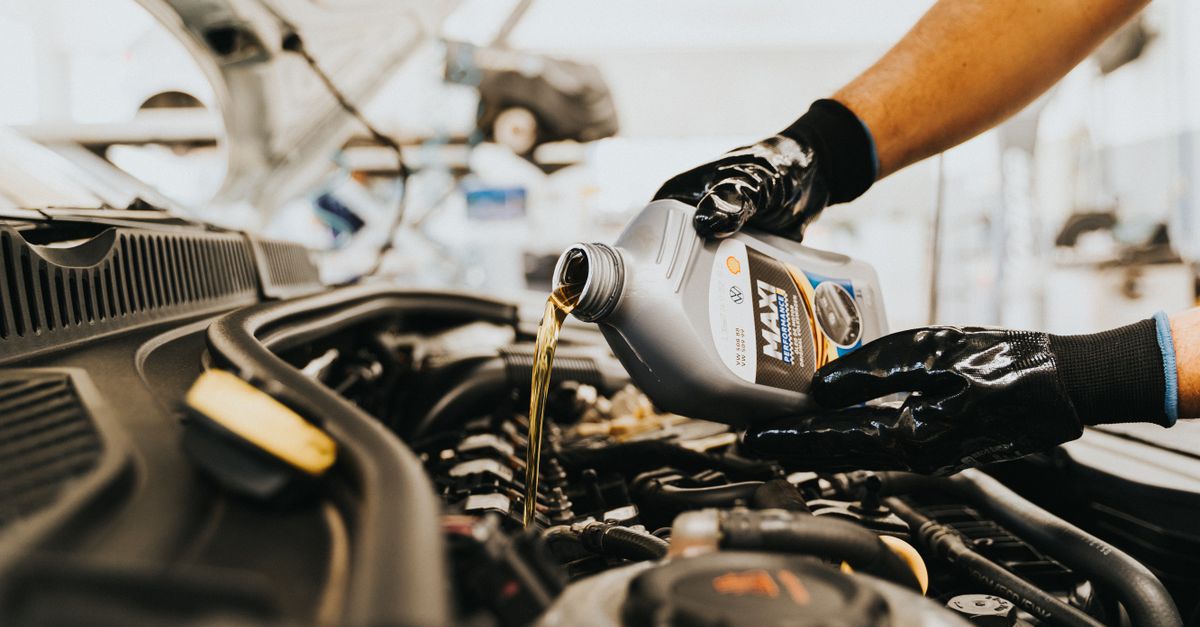
Best Engine Oil for Performance: Guide to Choosing the Right One
Introduction to Engine Oil
Engine oil is a crucial component of your vehicle’s engine, playing a vital role in lubricating moving parts, reducing friction, and preventing wear and tear. With so many options available in the market, choosing the best engine oil for performance can be overwhelming, especially for DIY mechanics and automotive enthusiasts.
Types of Engine Oil
There are several types of engine oil available, including conventional, synthetic, and synthetic blend. Each type has its own unique characteristics and benefits. Conventional oil is the most common type and is suitable for most vehicles, while synthetic oil offers better performance and protection in extreme temperatures. Synthetic blend oil, on the other hand, offers a balance between the two.
Key Characteristics of Engine Oil
When choosing the best engine oil for performance, there are several key characteristics to consider, including viscosity, API certification, and additive package. Viscosity refers to the oil’s thickness and flowability, while API certification ensures that the oil meets certain standards for performance and protection. The additive package refers to the chemicals and compounds added to the oil to enhance its performance and protection.
Top Engine Oil Brands
Some of the top engine oil brands include AISIN, Fel-Pro, and Advance Auto Parts. AISIN has recently expanded its premium portfolio with new engine oil and gear oil lineup, while Fel-Pro has expanded its leak repair lineup to take on top-of-engine oil leaks. Advance Auto Parts offers a wide range of engine oil options, including synthetic and conventional oil.
Comparison of Engine Oil
The following comparison table highlights some of the key differences between conventional, synthetic, and synthetic blend oil:
| Type of Oil | Viscosity | API Certification | Additive Package |
|---|---|---|---|
| Conventional Oil | 5W-20 | API SN | Basic additive package |
| Synthetic Oil | 0W-20 | API SN PLUS | Advanced additive package |
| Synthetic Blend Oil | 5W-30 | API SN | Mid-range additive package |
Tips for Choosing the Best Engine Oil
When choosing the best engine oil for performance, consider the following tips:
- Check your vehicle’s owner’s manual for recommended oil type and viscosity
- Consider the climate and driving conditions you will be in
- Look for oil with API certification and a good additive package
- Choose a reputable brand with a good track record
Common Mistakes to Avoid
Some common mistakes to avoid when choosing engine oil include:
- Using the wrong type of oil for your vehicle
- Not checking the oil level regularly
- Not changing the oil regularly
Conclusion
Choosing the best engine oil for performance can be overwhelming, but by considering the key characteristics and tips outlined in this guide, you can make an informed decision and improve your car’s performance. For more information on engine oil and other automotive topics, visit Driven2Parts or check out the National Highway Traffic Safety Administration website.
FAQ
Q: What is the best engine oil for my vehicle?
A: The best engine oil for your vehicle depends on several factors, including the type of vehicle, driving conditions, and climate. Consult your owner’s manual or speak with a mechanic for recommendations.
Q: How often should I change my engine oil?
A: The frequency of oil changes depends on the type of oil and the manufacturer’s recommendations. Typically, oil should be changed every 5,000 to 7,500 miles.