How to Choose a Diesel Exhaust System Upgrade for 2026
When a diesel truck starts to lose punch or the exhaust notes turn flat, many owners wonder if a diesel exhaust system upgrade is the answer. The right upgrade can restore torque, improve fuel efficiency, and keep your vehicle within emissions limits. This guide walks you through the decision process, installation basics, maintenance habits, and common pitfalls so you can get the most out of the upgrade without guesswork.
Why Upgrade Your Diesel Exhaust System
A diesel exhaust system upgrade addresses three core areas: flow, temperature, and sound. By reducing backpressure, the engine breathes easier, which translates to higher low‑end torque—critical for towing and off‑road work. Better heat management helps the turbo spin faster, while a well‑tuned muffler can keep cabin noise in check. Modern aftermarket kits also meet stricter EPA standards, so you don’t have to sacrifice legality for performance.
Key Components of a Diesel Exhaust System Upgrade
Understanding each part helps you match the kit to your goals. Most upgrades include:
- Mandrel‑bent piping – smoother interior walls reduce turbulence.
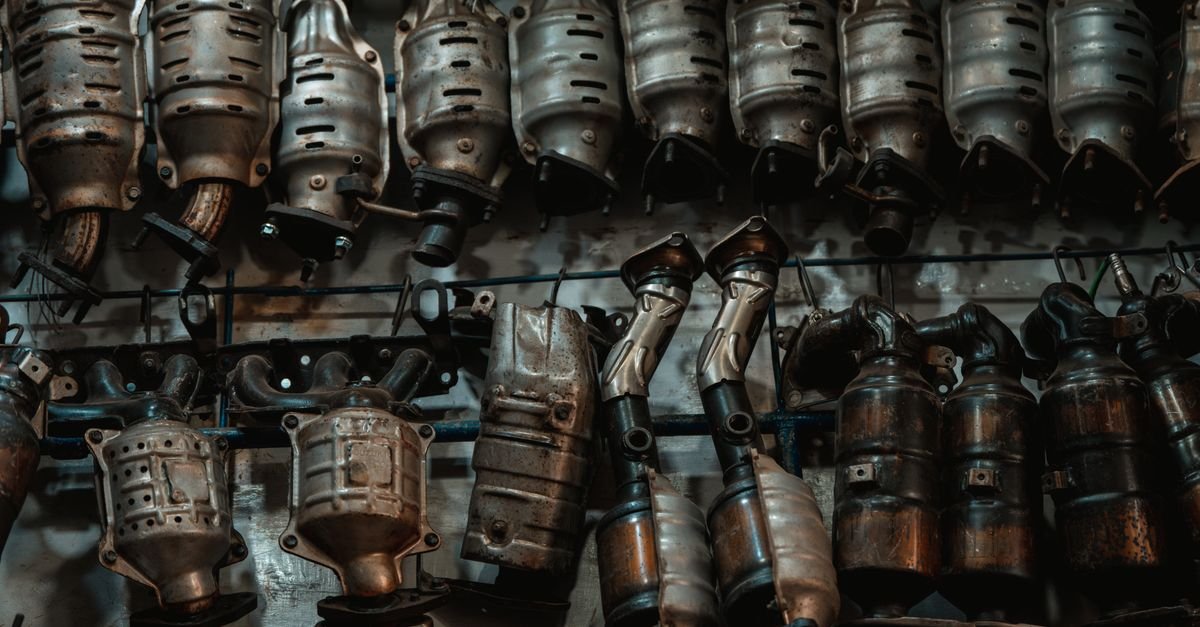
- High‑flow catalytic converter – cleans emissions while allowing more gases to pass.
- Performance muffler – balances tone and backpressure.
- Turbo‑back exhaust – often the most noticeable gain for power.
- Heat‑shield cladding – protects surrounding components from excessive heat.
Choosing a diesel exhaust system upgrade that bundles these parts ensures you get a cohesive flow path rather than a patchwork of mismatched components.
Installation Tips and Common Mistakes to Avoid
Even a seasoned mechanic can slip up if they rush the job. Follow these steps for a clean install:
- Gather all required tools: torque wrench, jack stands, pipe cutter, and anti‑seize compound.
- Let the engine cool completely; hot metal expands and can lead to mis‑alignment.
- Label each original pipe before removal. This makes re‑assembly easier if you need to revert.
- Use the manufacturer’s torque specs for clamps and flanges. Over‑tightening can crack the pipe.
- Check clearances for heat‑shield cladding; moving parts should never touch hot exhaust sections.
Common mistakes include skipping the anti‑seize on bolts, neglecting to replace gaskets, and ignoring the need for a proper exhaust hanger. These oversights can cause leaks, rattles, or premature wear.
Maintenance Practices to Extend Life
After the upgrade, routine care keeps performance steady:
- Inspect the system for rust or corrosion every 6,000 miles.
- Listen for unusual rattles that may signal a loose clamp.
- Clean the catalytic converter with a fuel system cleaner twice a year.
- Check the heat‑shield bolts after the first 500 miles; they often settle.
- Schedule a professional tune‑up to ensure the ECU recognizes the new flow characteristics.
These habits prevent the kind of wear that forces another diesel exhaust system upgrade sooner than expected.
Comparison of Popular Diesel Exhaust Upgrades
| Brand | Flow Rating | Noise Level | Warranty | Price (USD) |
|---|---|---|---|---|
| FlowMaster | High | Moderate | 5 years | 699 |
| Dynomax | Medium‑High | Low | 3 years | 579 |
| RuggedRex | Very High | High | 4 years | 749 |
All three options qualify as a diesel exhaust system upgrade, but your choice depends on the balance you want between flow and sound. For daily drivers who value quiet streets, Dynomax offers a solid compromise. Heavy‑duty users who need maximum torque may prefer RuggedRex’s aggressive design.
FAQ About Diesel Exhaust System Upgrades
Will a diesel exhaust system upgrade void my warranty?
Most manufacturers honor warranties as long as the parts are installed correctly and the vehicle passes emissions testing. Keep receipts and installation records.
Do I need to re‑program the ECU after an upgrade?
Many modern trucks auto‑adjust, but a professional flash can fine‑tune fuel maps for optimal gains.
How much power can I realistically expect?
Typical gains range from 5‑15 horsepower and 10‑20 lb‑ft of torque, depending on the baseline engine and the specific kit.
Are there any legal restrictions?
Check your state’s emissions regulations. Using a certified high‑flow catalytic converter ensures compliance with SAE International standards.
Ready to replace worn components with a reliable diesel exhaust system upgrade? Browse our curated selection and find the kit that matches your truck’s needs. Shop our selection today and enjoy a smoother, stronger ride.