MagnaFlow Exhaust Upgrade for Dodge Charger Six‑Pack
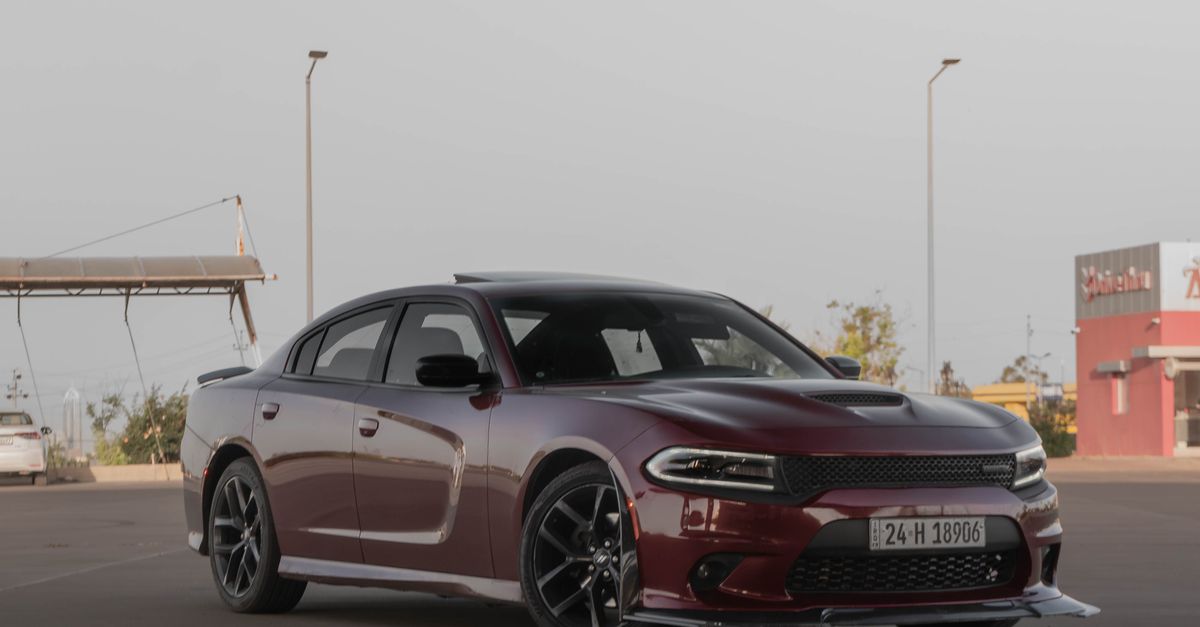
The Dodge Charger Six‑Pack is already a muscular street machine, but many owners crave that deeper growl and extra horsepower. A MagnaFlow exhaust upgrade delivers both, offering improved flow, reduced back‑pressure, and a tone that turns heads. In this guide we break down why the MagnaFlow exhaust upgrade is a solid choice, walk you through the installation, and share maintenance tips to keep the system performing for years.
Why Choose a MagnaFlow Exhaust Upgrade?
When it comes to aftermarket exhausts, MagnaFlow has earned a reputation for quality stainless‑steel construction and precise engineering. The MagnaFlow exhaust upgrade for the Charger Six‑Pack features mandrel‑bent tubing, a resonator designed for smooth mid‑range frequencies, and a muffler that balances volume with a refined note. Compared with generic cat‑back kits, MagnaFlow retains more low‑end torque while still adding noticeable top‑end power.
- Stainless‑steel (304) resists rust in harsh climates.
- Mandrel bends maintain consistent diameter for optimal flow.
- OEM‑style clamps simplify installation and service.
- Comes with a high‑flow catalytic converter that meets emissions standards.
Performance Gains You Can Expect
Owners typically report 5‑10 horsepower and a 5‑8 lb‑ft torque increase after the MagnaFlow exhaust upgrade. The gains are most noticeable during hard acceleration and when the car is tuned for a performance chip. The reduced back‑pressure also improves fuel efficiency slightly, especially on highway cruising.
Step‑by‑Step Installation Guide
Even a first‑time DIY mechanic can tackle this upgrade with basic hand tools. Follow these steps for a clean install:
- Gather tools: socket set, torque wrench, screwdrivers, penetrating oil, and a jack with stands.
- Allow the engine to cool completely; disconnect the negative battery terminal.
- Remove the factory exhaust sections starting at the rear muffler, working forward to the catalytic converter.
- Apply anti‑seize to the new flange bolts and install the MagnaFlow sections, tightening to the manufacturer’s torque spec (usually 30‑35 ft‑lb).
- Check clearances around the steering shaft, suspension components, and heat shields. Trim or adjust as needed.
- Re‑connect the battery and start the engine. Listen for leaks and verify the new tone.
For professional mechanics, the same procedure applies but you may use a lift and specialized exhaust removal tools to speed up the process.
Maintenance Tips for Longevity
Keeping your MagnaFlow exhaust upgrade in top condition is straightforward. Follow these routine checks:
- Inspect mounting bolts every 5,000 miles and retighten if necessary.
- Wash the stainless‑steel surfaces with a non‑abrasive car shampoo to prevent salt buildup.
- Apply a silicone‑based high‑temperature sealant to any exposed joints after the first 500 miles.
- Schedule a professional exhaust system inspection annually, especially if you drive in coastal areas.
Common Mistakes to Avoid
Even seasoned DIYers can slip up. Here are pitfalls that can compromise performance or cause premature wear:
- Over‑tightening bolts: This can deform flanges and create leaks.
- Skipping the catalytic converter: Removing it may improve sound but violates emissions laws and can trigger a check‑engine light.
- Improper clearance: Rubbing the exhaust against the suspension can damage both parts.
- Neglecting torque specs: Using a regular wrench instead of a torque wrench leads to inconsistent clamping force.
MagnaFlow vs. Competitors: Quick Comparison
| Feature | MagnaFlow | Generic Cat‑Back | Borla |
|---|---|---|---|
| Material | 304 Stainless Steel | Aluminized Steel | Stainless Steel |
| Mandrel Bends | Yes | No | Yes |
| Flow Gain | 8‑12% | 4‑6% | 9‑13% |
| Warranty | 10‑Year | 1‑Year | 5‑Year |
| Price (USD) | $1,099 | $699 | $1,249 |
While Borla offers comparable flow, MagnaFlow’s longer warranty and corrosion‑resistant finish make it a better value for most Charger Six‑Pack owners.
FAQ
Will the MagnaFlow exhaust upgrade affect my emissions test?
The kit includes a high‑flow catalytic converter that meets federal emissions standards, so it should pass most state inspections. Always verify local regulations before installation.
Do I need to retune the engine after the upgrade?
A retune isn’t mandatory, but a performance chip or ECU flash can unlock the full horsepower potential and smooth out any idle changes.
Is the exhaust loud enough for daily driving?
The design provides a sporty note without being obnoxious. Most owners find it suitable for both daily commutes and track days.
Can I install the kit on a 2015 Charger with a V8?
Yes, the MagnaFlow kit is compatible with 2015‑2023 Dodge Charger models equipped with the 5.7 L or 6.4 L V8 engines.
Final Thoughts and Where to Buy
Upgrading to a MagnaFlow exhaust upgrade is one of the most rewarding modifications for the Dodge Charger Six‑Pack. You gain measurable performance, a distinctive sound, and a durable system that will outlast many stock components. When it’s time to replace worn mufflers or expand your performance setup, consider quality aftermarket parts that complement the exhaust’s flow characteristics.
Ready to install? Browse the full MagnaFlow kit and related accessories at the Driven2Parts shop. Our experts can answer any fit‑ment questions and help you select the right components for your build.
For more technical details on exhaust emissions standards, visit the NHTSA website.