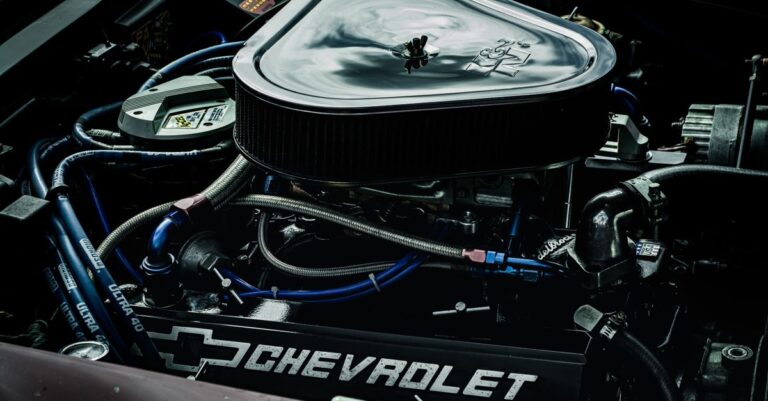
Chevy Blazer Crash Test
Introduction to the Chevy Blazer
The Chevy Blazer is a popular mid-size SUV that has been in production since 1969. Over the years, it has undergone significant changes in terms of design, safety features, and performance. In a recent crash test, a new Chevy Blazer was pitted against a 1996 model, with astonishing results.
Chevy Blazer Crash Test Results
The crash test results showed that the new Chevy Blazer significantly outperformed the 1996 model in terms of safety. The newer model’s advanced safety features, such as airbags and anti-lock braking, helped to reduce the impact of the crash and protect the occupants. In contrast, the 1996 model suffered extensive damage and would likely have resulted in serious injury or fatality.
Maintenance Tips for Your Chevy Blazer
To ensure that your Chevy Blazer runs safely and efficiently, it’s essential to follow regular maintenance tips. These include:
- Regular oil changes to keep the engine lubricated and running smoothly
- Tire rotations to maintain even tread wear and improve handling
- Brake pad replacements to ensure optimal stopping power
- Air filter replacements to improve fuel efficiency and performance
Upgrading Your Chevy Blazer with Aftermarket Parts
If you’re looking to upgrade your Chevy Blazer’s performance or safety features, consider investing in quality aftermarket parts. These can include:
- Performance air filters to improve horsepower and torque
- Aftermarket brake kits to enhance stopping power
- Suspension upgrades to improve handling and stability
- Exhaust system upgrades to improve performance and sound
Common Mistakes to Avoid When Maintaining Your Chevy Blazer
When maintaining or upgrading your Chevy Blazer, there are several common mistakes to avoid. These include:
- Using low-quality or counterfeit parts that can compromise safety and performance
- Ignoring regular maintenance schedules, which can lead to premature wear and tear
- Attempting to perform complex repairs or upgrades without proper training or experience
FAQs
Q: What are the benefits of using aftermarket parts for my Chevy Blazer?
A: Aftermarket parts can offer improved performance, safety, and style, as well as increased durability and reliability.
Q: How often should I replace my Chevy Blazer’s brake pads?
A: Brake pads should be replaced every 30,000 to 50,000 miles, depending on driving conditions and usage.
For more information on maintaining and upgrading your Chevy Blazer, visit Driven2Parts for a wide selection of quality aftermarket parts. You can also check out the National Highway Traffic Safety Administration website for more information on vehicle safety and crash test results.