Turbocharged V8 Maintenance: Keep Power at Its Peak in 2026
When you own a turbocharged V8, the balance between power and reliability rests on disciplined Turbocharged V8 Maintenance. Whether you’re a weekend racer or a daily driver, the engine’s longevity depends on regular inspections, proper fluid management, and thoughtful upgrades.
Understanding Turbocharged V8 Basics
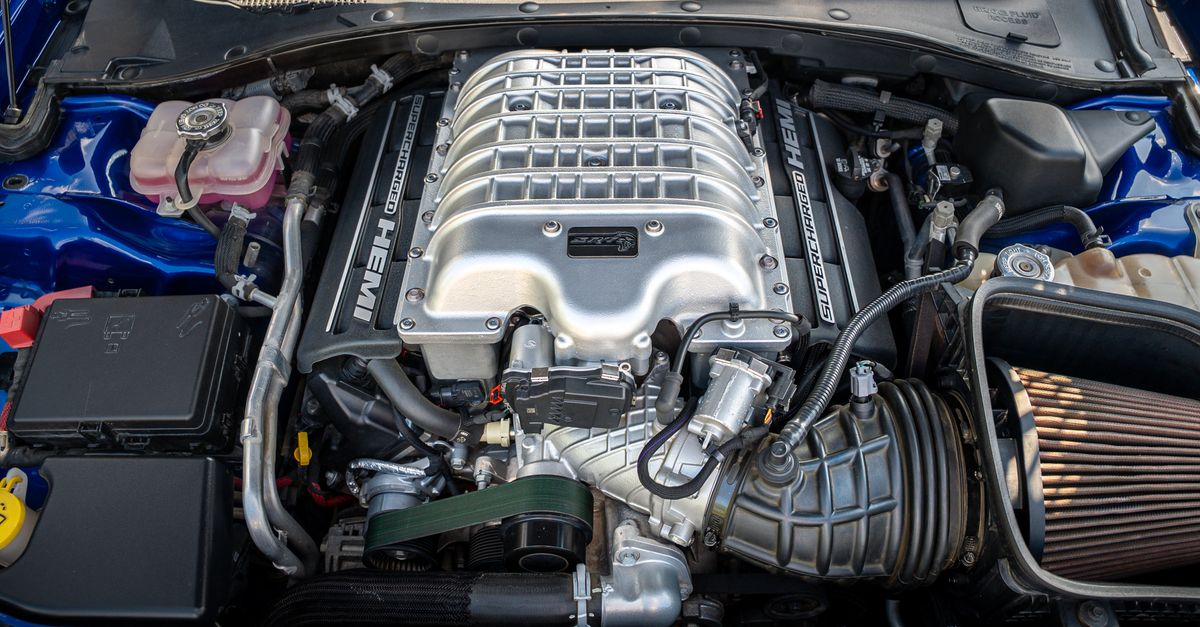
A turbocharged V8 combines the smooth power delivery of an eight‑cylinder layout with forced induction that pushes more air—and fuel—into the combustion chambers. The result is higher horsepower per displacement, but it also raises thermal and mechanical stresses. Knowing where the heat concentrates and how the boost pressure interacts with the drivetrain helps you target the right maintenance tasks.
Essential Maintenance Checklist
Below is a step‑by‑step checklist that should become part of every service interval. Follow it closely to avoid costly downtime.
- Oil and Filter Change: Use a high‑temperature synthetic oil rated for at least 10W‑60. Change the filter every 5,000 miles or sooner if you see oil discoloration.
- Turbocharger Inspection: Look for oil leaks around the wastegate and turbine housing. Spin the turbine by hand when the engine is cool; excessive play signals bearing wear.
- Intercooler Cleaning: Remove debris and rinse the intercooler with a low‑pressure hose. A dirty intercooler raises charge air temperature, reducing boost efficiency.
- Boost Pressure Test: Connect a boost gauge and verify that the turbo reaches the manufacturer’s target (usually 12–15 psi). Deviations may indicate a leaking hose or a failing wastegate.
- Coolant System Flush: Replace coolant with a phosphate‑free formula every 30,000 miles to protect the water pump and radiator from corrosion.
- Spark Plug Inspection: Use iridium plugs with a heat range suited for forced induction. Replace them every 20,000 miles to maintain combustion efficiency.
- Fuel System Check: Verify fuel pump pressure and clean the fuel filter. A clogged filter can starve the turbo under load.
These items cover the core of Turbocharged V8 Maintenance and should be logged in a service notebook for future reference.
Common Mistakes to Avoid
Even seasoned technicians can slip into habits that shorten engine life. Here are the most frequent errors and how to sidestep them.
- Using standard engine oil instead of a high‑temperature synthetic. Thin oil breaks down under boost heat, leading to bearing wear.
- Neglecting intercooler airflow. A blocked front grille reduces cooling capacity and forces the turbo to work harder.
- Over‑boosting without supporting modifications. Raising boost beyond the factory limit without upgraded pistons or fuel injectors can cause detonation.
- Skipping regular spark plug checks. Fouled plugs raise exhaust gas temperature, which harms the turbo housing.
- Relying on OEM parts that are not designed for high‑performance duty. Aftermarket components often provide stronger internals and better heat resistance.
Upgrading for Performance
When the baseline maintenance routine is solid, many owners look to extract more power. Upgrades should be approached as part of a holistic plan, not as isolated swaps.
- High‑Flow Downpipe: Reduces exhaust back‑pressure, allowing the turbo to spool faster.
- Performance Intercooler: Larger core and lower pressure drop keep charge air temperatures down.
- Upgraded Fuel Injectors: Deliver the extra fuel needed for higher boost levels.
- Strengthened Pistons and Connecting Rods: Handle the increased cylinder pressures safely.
- ECU Tune: Recalibrates fuel maps, ignition timing, and boost limits for the new hardware.
Each of these parts can be sourced from reputable aftermarket brands. When you replace a worn component, consider a quality aftermarket alternative from Driven2Parts to keep the engine balanced.
Comparison: OEM vs Aftermarket Parts
| Feature | OEM | Aftermarket |
|---|---|---|
| Material Strength | Standard alloy | Forged or billet steel |
| Heat Resistance | Meets baseline specs | Enhanced coatings for high temps |
| Cost | Higher due to brand premium | Varies; often lower for equal performance |
| Warranty | Usually limited to 12 months | Often 24‑month or lifetime |
| Fitment | Exact factory match | Designed for performance applications |
For Turbocharged V8 Maintenance, aftermarket parts frequently offer the durability and heat tolerance that high‑boost engines demand.
Maintenance Tips for Seasonal Changes
Temperature swings affect oil viscosity, coolant performance, and boost behavior. Adjust your routine accordingly.
- Winter: Switch to a lower‑viscosity oil (e.g., 5W‑40) to ensure quick circulation. Check the battery and alternator, as cold cranking can stress the starter motor.
- Summer: Use a high‑temperature coolant and consider a supplemental oil cooler. Verify that the intercooler inlet is free of debris that can trap heat.
- Spring/Fall: Perform a full system flush to remove any moisture that may have accumulated during extreme temperatures.
FAQ
Q: How often should I change the turbo oil drain plug?
A: Replace the plug and seal every 30,000 miles to prevent leaks and maintain proper oil flow.
Q: Can I use a standard fuel pump with a turbocharged V8?
A: A high‑flow pump is recommended once you exceed 12 psi of boost, as the stock pump may not keep up with fuel demand.
Q: Is it safe to run higher boost with stock pistons?
A: Not recommended. Stock pistons are engineered for factory boost levels; exceeding them raises the risk of detonation and piston failure.
For detailed safety standards, see the NHTSA vehicle maintenance guidelines.
When it’s time to replace a worn component, choose a quality aftermarket part from shop our selection of Turbocharged V8 parts to keep your engine running smooth and strong.