2026 Guide to Truck Suspension Upgrades for Better Ride
Why Upgrade Your Truck Suspension?
Every truck owner knows that a solid ride is essential for daily work, weekend adventures, and heavy hauling. When the factory suspension starts to sag, chatter, or feel overly stiff, it’s a clear sign that the original components have reached the end of their useful life. Upgrading your truck suspension upgrades can restore level stance, improve tire contact, and reduce wear on other drivetrain parts. In 2026, newer materials and engineering designs make it easier than ever to achieve a balance between comfort and load‑bearing strength.
Truck Suspension Upgrades: Types and Benefits
There is no one‑size‑fits‑all solution. The right upgrade depends on your truck’s primary use—whether you tow a trailer, navigate rough terrain, or simply want a smoother highway cruise. Below are the most common categories of truck suspension upgrades you’ll encounter.
Leaf Spring Replacements
Leaf springs remain popular on many light‑duty pickups because they are durable and inexpensive. Modern aftermarket leaf packs use high‑strength alloy steel and progressive rates that keep the rear axle level under load while providing a softer feel when the bed is empty.
Coil Spring Kits
Coil springs replace the traditional leaf stack with a single, progressive coil. This design reduces weight, improves ride quality, and offers more precise tuning for performance or off‑road builds. Many kits include matched shock absorbers for a complete upgrade.
Air Suspension Systems
Air bags give you on‑the‑fly adjustability. With a simple controller, you can raise the rear for better clearance or lower it for a tighter stance. Air systems are favored by show trucks and those who switch between heavy loads and light daily driving.
Shock and Strut Enhancements
Even the best springs can feel harsh if paired with worn shocks. Upgrading to monotube or gas‑charged shocks improves damping control, reduces dive under braking, and keeps the chassis stable during cornering.
Choosing the Right Components
Before you purchase any truck suspension upgrades, evaluate these key factors:
- Load Rating: Match the spring or air bag capacity to your maximum payload and tongue weight.
- Vehicle Compatibility: Verify that the kit fits your make, model, and wheelbase.
- Intended Use: Off‑road rigs benefit from longer travel, while highway trucks need smoother damping.
- Budget: Prices range from budget leaf packs to premium air‑managed kits.
- Warranty: Look for manufacturers that back their parts for at least 2 years.
Installation Tips for DIY Mechanics
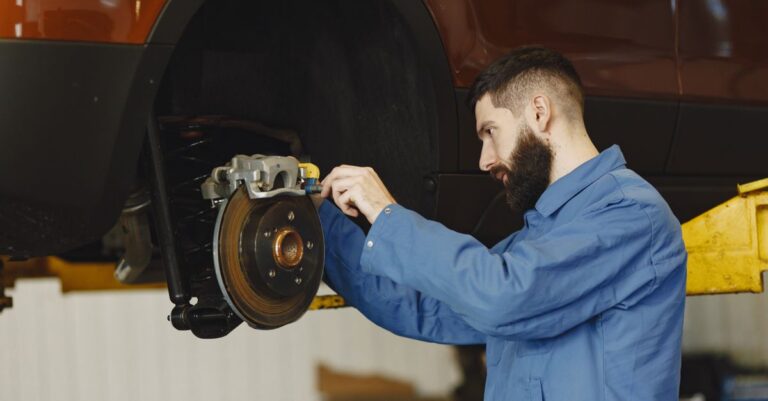
Most truck suspension upgrades can be installed with basic hand tools, a jack, and a solid workbench. Follow these steps to keep the job safe and efficient:
- Gather the required tools: torque wrench, spring compressors, jack stands, and a pry bar.
- Support the vehicle on jack stands before removing any suspension component.
- Mark the original mounting points with a marker; this helps maintain factory geometry.
- When compressing leaf springs, use a certified spring compressor to avoid injury.
- Torque all bolts to the manufacturer’s specifications—usually listed in the service manual.
- After installation, perform a bounce test and check for any abnormal noises.
Common Mistakes to Avoid
Even seasoned DIYers can slip up. Keep an eye out for these pitfalls when performing truck suspension upgrades:
- Skipping the alignment: A new suspension changes the geometry; a professional alignment is essential.
- Using the wrong spring rate: Over‑stiff springs can lead to a harsh ride and premature tire wear.
- Improper torque: Under‑torqued bolts may loosen; over‑torqued bolts can strip threads.
- Neglecting bushings: Worn bushings can defeat the benefits of new springs or shocks.
- Failing to bleed air from air systems: Trapped air causes uneven ride height and noise.
Maintenance Checklist for New Suspension
After installing your truck suspension upgrades, a regular maintenance routine will extend component life and keep performance consistent.
- Inspect bolts and mounting points every 5,000 mi.
- Check for leaks in air bags or hydraulic lines weekly.
- Lubricate bushings and pivot points with a silicone‑based grease.
- Replace shock absorbers every 60,000–80,000 mi, or sooner if you notice reduced damping.
- Verify ride height after each heavy load to ensure air bags maintain proper pressure.
Comparison Table: Stock vs. Upgraded Suspension
| Feature | Stock Suspension | Aftermarket Upgrade |
|---|---|---|
| Ride Comfort | Stiff, prone to chatter | Improved damping, smoother ride |
| Load Capacity | Limited to factory rating | Up to 30 % higher capacity |
| Adjustability | None | Air‑bag height control or coil tuning |
| Weight | Factory‑rated | Often lighter, reducing unsprung mass |
| Durability | Average lifespan | Extended life with high‑grade alloys |
FAQ
How often should I inspect my truck suspension?
Visually check for cracked springs, leaking shocks, or loose bolts every 5,000 mi. A full inspection by a professional is recommended at least once a year.
Can I mix OEM springs with aftermarket shocks?
Yes, but pairing high‑performance springs with low‑quality shocks can negate the benefits. Aim for a matched set that shares the same tuning philosophy.
Are air suspension kits legal for street use?
In the United States, air bags are legal as long as they meet FMVSS standards and maintain a consistent ride height. Check state regulations before installing a custom system.
Do I need a new alignment after installing new springs?
Absolutely. New spring rates change the vehicle’s geometry, and an alignment ensures proper tire wear and handling.
What’s the best way to break in new suspension components?
Drive gently for the first 200 mi, allowing shocks and springs to settle. Avoid heavy loads or aggressive cornering during this break‑in period.
Ready to experience a smoother, more capable ride? Browse our selection of premium truck suspension upgrades and find the perfect match for your 2026 model. Trusted brands, detailed fit guides, and fast shipping make it easy to upgrade with confidence.
For deeper technical insight, see the SAE International guidelines on suspension design SAE International.