Truck Brake Upgrade Guide: Boost Safety & Performance
Every truck owner knows that reliable stopping power is as essential as engine torque, especially when hauling heavy loads or navigating steep grades. A well‑executed truck brake upgrade not only enhances safety but also preserves the drivetrain and improves overall ride confidence.
Why Consider a Truck Brake Upgrade?
Factory brakes are designed for average use, but daily drivers, work trucks, and off‑road rigs often demand more. Upgrading your brakes addresses several real‑world challenges:
- Increased load capacity – heavier payloads generate more kinetic energy.
- Improved heat dissipation – high‑performance pads and rotors reduce fade on long descents.
- Longer component life – quality aftermarket parts wear slower than budget OEM replacements.
- Better pedal feel – a firmer, more predictable response helps the driver modulate stopping distance.
Truck Brake Upgrade: What You Need to Know
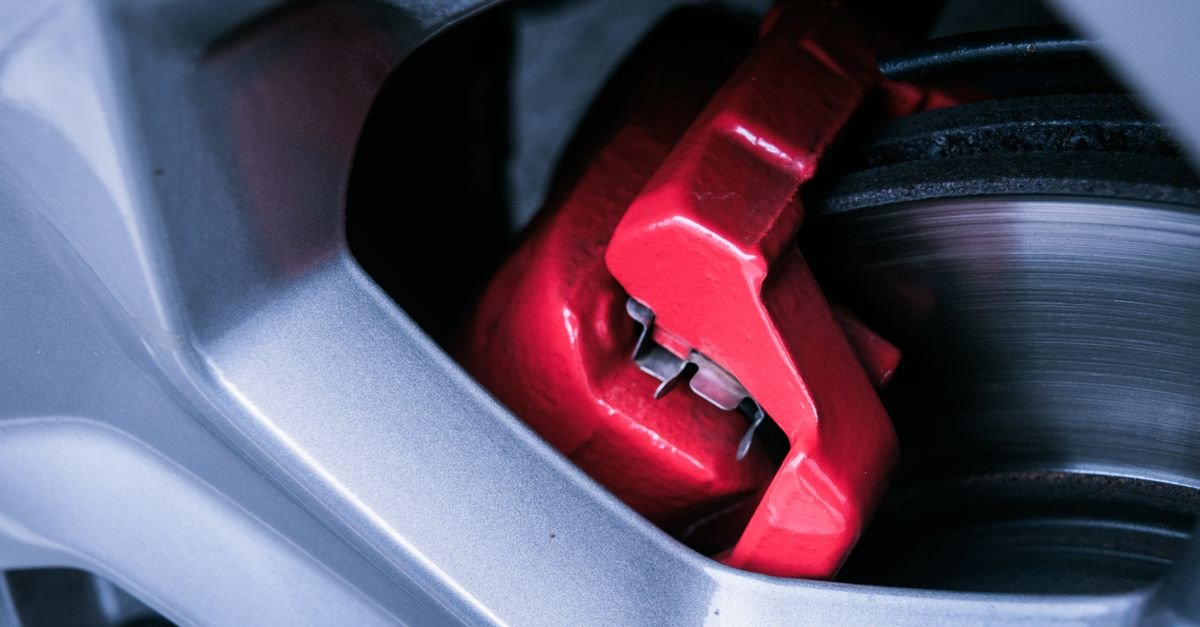
Before you start, understand the core components involved in a truck brake upgrade: pads, rotors, calipers, brake lines, and the brake fluid. Selecting the right combination depends on your vehicle’s weight, typical usage, and performance goals.
Choosing the Right Brake Pads
Brake pads come in three primary formulations, each with distinct characteristics. The table below compares them for a typical 2024 full‑size pickup.
| Material | Pros | Cons | Best For |
|---|---|---|---|
| Organic (Non‑metallic) | Quiet operation, gentle on rotors | Higher wear rate, lower heat tolerance | Light‑duty daily driving |
| Semi‑Metallic | Good heat resistance, durable | Can be noisy, may wear rotors faster | Mixed‑use trucks, moderate towing |
| Ceramic | Low dust, excellent heat management, quiet | Higher cost | Performance‑oriented trucks, heavy towing |
For most owners planning a truck brake upgrade, ceramic pads offer the best blend of performance and low maintenance, though semi‑metallic pads remain a solid budget alternative.
Rotors and Calipers: Upgrading the Core
Rotors are the heat‑absorbing element of the system. When upgrading, look for:
- Ventilated designs – channels air to keep temperatures down.
- Slotted or drilled patterns – help expel gas and water, improving bite.
- Higher alloy content – resists warping under repeated heavy braking.
Calipers can be upgraded from single‑piston to multi‑piston designs. Multi‑piston calipers distribute pressure more evenly across the pad, resulting in a stronger, more consistent clamp.
Brake Lines and Fluid: The Hidden Heroes
Rubber brake lines expand under pressure, creating a soft pedal feel. Replacing them with stainless‑steel braided lines eliminates expansion, delivering a firmer pedal and quicker response—an essential tweak in any truck brake upgrade.
Brake fluid should meet DOT 4 or DOT 5.1 specifications for higher boiling points. Fresh fluid eliminates moisture that can cause vapor lock during prolonged braking.
Step‑by‑Step Installation Guide
Below is a practical checklist for DIY enthusiasts tackling a truck brake upgrade. Always consult your vehicle’s service manual and follow safety protocols.
- Secure the truck on level ground and engage the parking brake.
- Loosen wheel lug nuts, raise the vehicle, and remove the wheels.
- Disconnect the battery to prevent accidental short circuits.
- Remove the old brake pads, rotors, and, if applicable, calipers.
- Inspect the hub and brake hardware for wear or corrosion; replace as needed.
- Install new rotors, ensuring they sit flush against the hub.
- Mount new calipers (or upgraded multi‑piston units) using torque‑specified bolts.
- Thread stainless‑steel brake lines in place, using flare nuts and a torque wrench.
- Seat the new pads, bleed the system to remove air, and top off with DOT‑specified fluid.
- Reinstall wheels, lower the truck, and torque lug nuts to manufacturer specs.
- Perform a thorough brake test at low speed before returning to normal driving.
Maintenance Tips After Your Upgrade
Keeping your new brakes in top condition extends the value of the truck brake upgrade:
- Check pad thickness every 5,000 miles; replace before reaching the wear indicator.
- Inspect rotors for scoring or warping; resurface or replace if thickness falls below spec.
- Flush brake fluid every 24 months or sooner if you notice a spongy pedal.
- Lubricate slide pins and caliper pins with high‑temperature grease to prevent squeal.
- Periodically examine stainless‑steel lines for signs of corrosion or kinking.
Common Mistakes to Avoid
Even seasoned DIYers can slip up. Here are the most frequent errors during a truck brake upgrade and how to sidestep them:
- Skipping the brake bleed. Air in the lines eliminates pressure, leading to a soft pedal.
- Using the wrong torque values. Over‑tightening can strip threads; under‑tightening can let components shift.
- Mixing brake fluid types. DOT 4 and DOT 5.1 are compatible, but DOT 5 (silicone) is not.
- Neglecting hardware replacement. Clips, shims, and pins wear and can cause uneven pad wear.
- Relying on OEM‑only parts. Quality aftermarket components often offer superior performance at a lower price.
FAQ
Q: Will a truck brake upgrade affect my ABS?
A: Modern ABS modules are compatible with upgraded pads, rotors, and lines. However, after installation, run a diagnostic scan to confirm sensor readings.
Q: How much does a full‑system truck brake upgrade cost?
A: Prices vary by brand and vehicle size, but a typical kit—including pads, rotors, calipers, and lines—ranges from $350 to $850.
Q: Can I mix pad materials on the front and rear?
A: Yes. Many truck owners pair a high‑performance front set with a softer rear set to balance stopping power and wear.
Q: Do I need new brake hardware when I upgrade?
A: Replacing clips, shims, and pins is recommended to ensure proper pad seating and to prevent squeal.
Choosing a Trusted Supplier
When you’re ready to purchase, select a retailer that offers genuine, warranty‑backed aftermarket parts. Shop our curated brake kits to find components that match your truck’s make, model, and performance goals.
For additional safety guidelines, review the NHTSA brake safety recommendations. Following industry standards helps you get the most out of your truck brake upgrade and keeps you compliant with regulations.
Final Thoughts
A truck brake upgrade is one of the most effective investments you can make for safety, performance, and long‑term cost savings. By selecting the right pads, rotors, calipers, and supporting hardware, and by following proper installation and maintenance practices, you’ll experience stronger, more reliable stopping power day after day. When you’re ready, consider a quality aftermarket brake kit from Driven2Parts to ensure you receive parts that meet rigorous performance criteria and come with the support of experienced technicians.