Best Truck Suspension Upgrade Guide for 2026: Your Ride
When you load a pickup with gear or hit rough terrain, the factory suspension can feel stiff, sag, or even compromise handling. A well‑chosen truck suspension upgrade can restore level ride height, improve comfort, and give you confidence on the road or trail. In this guide we walk you through the reasons to upgrade, how to pick a kit, what the leading options offer, and the steps to install and maintain your new system.
\n
Why a truck suspension upgrade matters
\n
A truck suspension upgrade addresses three core issues that owners frequently encounter:
\n
- \n
- Load‑leveling – Heavy cargo or towing can compress the rear springs, causing the tailgate to sit low. An upgraded kit keeps the chassis level.
- Ride quality – Stock leaf springs are designed for durability, not comfort. Modern coil‑over or air‑assist kits absorb bumps more effectively.
- Handling stability – Stiffening the front end reduces body roll, making the vehicle feel more planted during cornering.
\n
\n
\n
\n
These benefits translate into better fuel efficiency, reduced wear on tires, and a safer driving experience.
\n
How to choose the right truck suspension upgrade
\n
Selecting a truck suspension upgrade involves balancing budget, intended use, and compatibility. Follow these steps:
\n
- \n
- Determine your primary use: daily driving, off‑road, or heavy towing.
- Check the vehicle’s gross vehicle weight rating (GVWR) and compare it to the kit’s load capacity.
- Decide between coil‑over, air‑bag, or reinforced leaf‑spring solutions.
- Verify that the kit includes all necessary hardware for a bolt‑on installation.
- Read reviews from owners with similar trucks to gauge real‑world performance.
\n
\n
\n
\n
\n
\n
Top three truck suspension upgrade kits
\n
Below is a quick comparison of three reputable kits that consistently rank high among DIY mechanics and professional shops.
\n
| Brand | Type | Load Capacity | Adjustability | Price Range |
|---|---|---|---|---|
| Bilstein | Coil‑over | Up to 7,000 lb | 5‑position click‑adjust | $1,200‑$1,600 |
| Fox | Air‑assist | Up to 8,500 lb | Electronic pressure control | $1,400‑$1,800 |
| Monroe | Reinforced leaf | Up to 6,500 lb | Fixed | $900‑$1,200 |
\n
Each kit delivers a solid truck suspension upgrade, but the best choice depends on how you plan to use your vehicle. Bilstein offers a straightforward mechanical adjustment, Fox provides on‑the‑fly air control, and Monroe gives a budget‑friendly leaf‑spring reinforcement.
\n
Installation basics and safety tips
\n
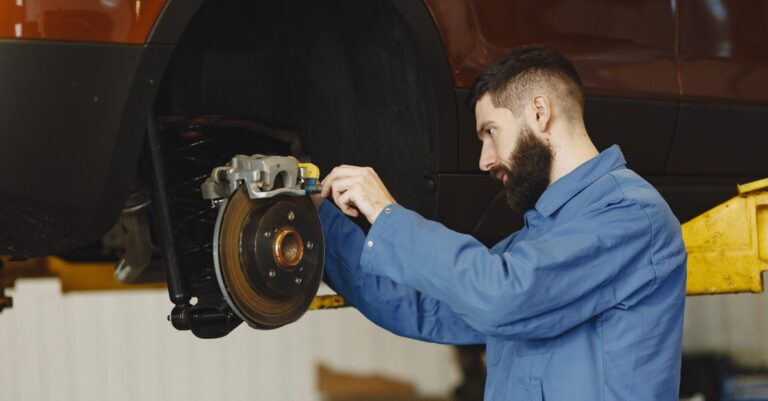
Most truck suspension upgrade kits are designed for a bolt‑on fit, but the process still demands careful preparation.
\n
Tools you’ll need
\n
- \n
- Socket set with extension bars
- Torque wrench (calibrate to manufacturer specs)
- Spring compressors (if working with coil springs)
- Jack and jack stands rated for your truck’s weight
- Safety glasses and gloves
\n
\n
\n
\n
\n
\n
Step‑by‑step overview
\n
- \n
- Park on a level surface, engage the parking brake, and block the wheels.
- Lift the front or rear axle with a jack, then secure it on jack stands.
- Remove the wheels and disconnect any brake lines or ABS sensors that interfere with the suspension components.
- Support the control arms or leaf springs with a jack to relieve tension.
- Detach the stock springs or shocks, taking note of bolt locations for reassembly.
- Install the new kit according to the manufacturer’s torque sequence.
- Re‑attach all sensors, reinstall wheels, lower the vehicle, and torque the lug nuts.
- Perform a bounce test and a short test drive to confirm proper operation.
\n
\n
\n
\n
\n
\n
\n
\n
\n
Always double‑check torque values against the service manual. An improperly torqued bolt can lead to premature wear or safety hazards.
\n
Maintenance and common mistakes
\n
Even the best truck suspension upgrade will suffer if you neglect routine care. Follow these maintenance tips:
\n
- \n
- Inspect bushings and mounts every 6 months for cracks or wear.
- Lubricate pivot points with a high‑temperature grease recommended by the kit maker.
- Check for loose hardware after the first 500 miles of driving.
- Rotate tires regularly to ensure even wear, which also protects the suspension.
\n
\n
\n
\n
\n
Typical mistakes that reduce the life of a truck suspension upgrade include:
\n
- \n
- Skipping the torque check after installation.
- Using the wrong spring rate for the vehicle’s GVWR.
- Neglecting to align the wheels after a major suspension change.
- Installing aftermarket shocks without matching them to the new springs.
\n
\n
\n
\n
\n
FAQ
\n
- \n
- Can I install a truck suspension upgrade myself? Yes, if you have basic mechanical skills, the right tools, and follow the instructions carefully.
- Will a suspension upgrade affect my warranty? It may, depending on the manufacturer’s policy. Check the warranty terms before proceeding.
- Do I need to recalibrate the ABS after installation? Most bolt‑on kits retain sensor positioning, but it’s wise to scan the system with a diagnostic tool.
- How long does the installation typically take? Expect 4‑6 hours for a front or rear upgrade on a standard pickup.
- Is an air‑assist system legal for street use? In most states it is, but verify local regulations regarding height‑adjustable suspensions.
\n
\n
\n
\n
\n
\n
Ready to give your pickup the confidence it deserves? A quality truck suspension upgrade from Driven2Parts provides the parts, fit‑check guarantees, and support you need to finish the job right. Visit our shop to compare kits, read user reviews, and place an order today.
\n
For detailed safety standards on suspension components, see the NHTSA guidelines here.