How to Build a Cheap Ford Rally Car: Parts Guide for 2026
Turning a everyday Ford into a capable rally machine doesn’t have to drain your wallet. This guide walks DIY mechanics through the essential upgrades, maintenance steps, and common pitfalls when building a cheap Ford rally car in 2026. By focusing on quality aftermarket parts, you can boost performance while keeping costs reasonable.
Why Build a Ford Rally Car on a Budget
Rallying offers a thrilling mix of speed, handling, and off‑road challenge. For many enthusiasts, the appeal lies in modifying a familiar platform rather than purchasing a purpose‑built race car. A budget‑focused approach lets you spread expenses over time, replace worn components with reliable aftermarket options, and learn valuable mechanical skills.
Key Components for a Ford Rally Car Build
The foundation of any successful Ford rally car is a well‑planned parts list. Prioritize components that improve handling, durability, and power without excessive weight.
- Upgraded suspension (coilovers or adjustable shocks)
- Performance tires with reinforced sidewalls
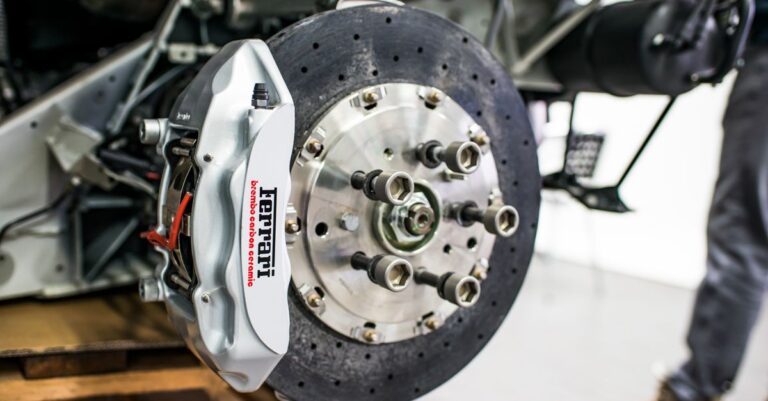
- Lightweight brake rotors and high‑friction pads
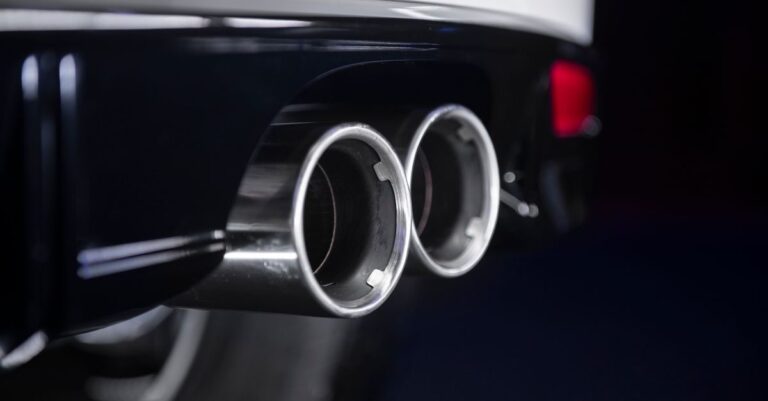
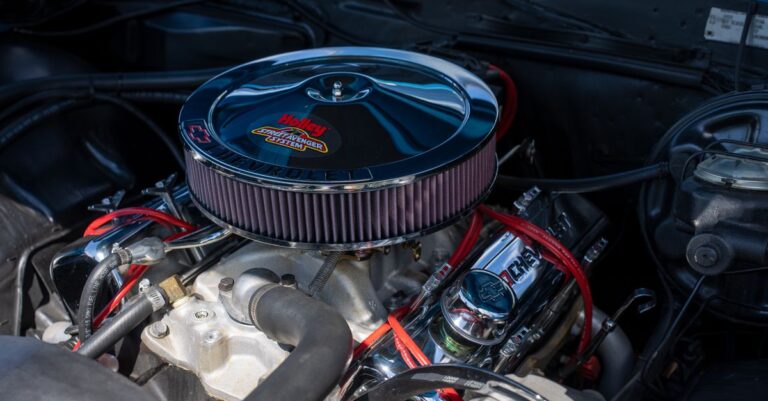
- Cold‑air intake and free‑flow exhaust
- Reinforced chassis braces
Suspension and Wheels
Rally stages demand precise wheel control. Swapping stock springs for adjustable coilovers lets you dial in ride height and damping for gravel, mud, or tarmac.
When selecting wheels, choose a durable alloy with a reinforced bead seat. Pair them with rally‑spec tires such as the NHTSA‑approved all‑terrain models for safety compliance.
Comparison: Stock vs. Performance Suspension
| Feature | Stock | Performance |
|---|---|---|
| Adjustability | Fixed | Height & damping |
| Weight | Heavier | Lightweight alloy |
| Travel | 120mm | 180mm+ |
| Cost | $0 (included) | $800‑$1,200 |
Engine and Exhaust Upgrades
A rally car benefits from a responsive throttle and a robust torque curve. Installing a cold‑air intake improves airflow, while a cat‑back exhaust reduces back‑pressure, delivering a modest horsepower bump without sacrificing emissions compliance.
For those seeking more power, consider a short‑run turbo kit designed for the specific Ford engine series. Always match the fuel system upgrades—higher‑flow fuel pump and injectors—to avoid lean conditions.
Braking System Enhancements
Rally stages demand consistent braking under load. Upgrading to slotted or drilled rotors improves heat dissipation, while performance pads increase bite.
- Front and rear 12‑inch drilled rotors
- High‑friction ceramic pads
- Stainless‑steel braided brake lines
- Adjustable brake bias proportioning valve
Common Mistakes to Avoid
Even seasoned DIYers can slip up. Here are the most frequent errors when building a Ford rally car on a shoestring:
- Skipping proper alignment: After suspension changes, a professional alignment prevents uneven tire wear.
- Over‑budgeting on one area: Dumping money into a turbo while neglecting brakes creates safety hazards.
- Using low‑quality fasteners: Rally vibrations demand Grade 8 bolts; cheap alternatives can fail.
- Neglecting wiring protection: Route harnesses away from heat sources and use loom to avoid shorts.
Maintenance Tips for Rally‑Ready Ford
Regular upkeep keeps performance consistent and extends component life. Follow this checklist after each rally event:
- Inspect suspension bushings and tighten all mounting bolts.
- Check tire pressures; adjust for surface conditions.
- Clean brake rotors and replace pads if thickness is below 10mm.
- Flush engine coolant and replace thermostat to avoid overheating.
- Lubricate universal joints and CV boots.
Keeping a detailed log of mileage, part replacements, and any anomalies helps diagnose issues before they become costly failures.
FAQ
Q: Do I need a full roll cage for a budget rally car?
A: While a roll cage adds safety, many club‑run events accept a half‑cage or reinforced door bars for entry‑level builds. Check the specific event regulations.
Q: Can I use stock ECU with a turbo upgrade?
A: A stock ECU may limit boost. A tuned ECU or standalone engine management system ensures proper fueling and timing.
Q: How much should I expect to spend?
A: A competent build can range from $2,500 to $5,000 depending on parts selection and labor.
Q: Are there any legal emissions concerns?
A: All modifications must remain EPA‑compliant. Choose cat‑back exhausts that retain catalytic converters to stay legal.
Ready to Upgrade?
When you’re ready to source quality aftermarket components for your Ford rally car, Driven2Parts offers a curated selection of suspension kits, brake packages, and performance exhausts. Browse our catalog at Driven2Parts Shop and start building the rally car you imagined.
Remember, a well‑planned build combines safety, performance, and reliability. Stick to reputable brands, follow the maintenance schedule, and enjoy the thrill of rallying without breaking the bank.