Brake Parts Upgrades for Performance Enthusiasts
Introduction to Brake Parts Upgrades
As a performance enthusiast, you understand the importance of having a vehicle that can stop as well as it can accelerate. Brake parts upgrades can significantly improve your vehicle’s stopping power and safety. In this article, we will explore the different types of brake parts upgrades available and how to choose the right ones for your vehicle.
Types of Brake Parts Upgrades
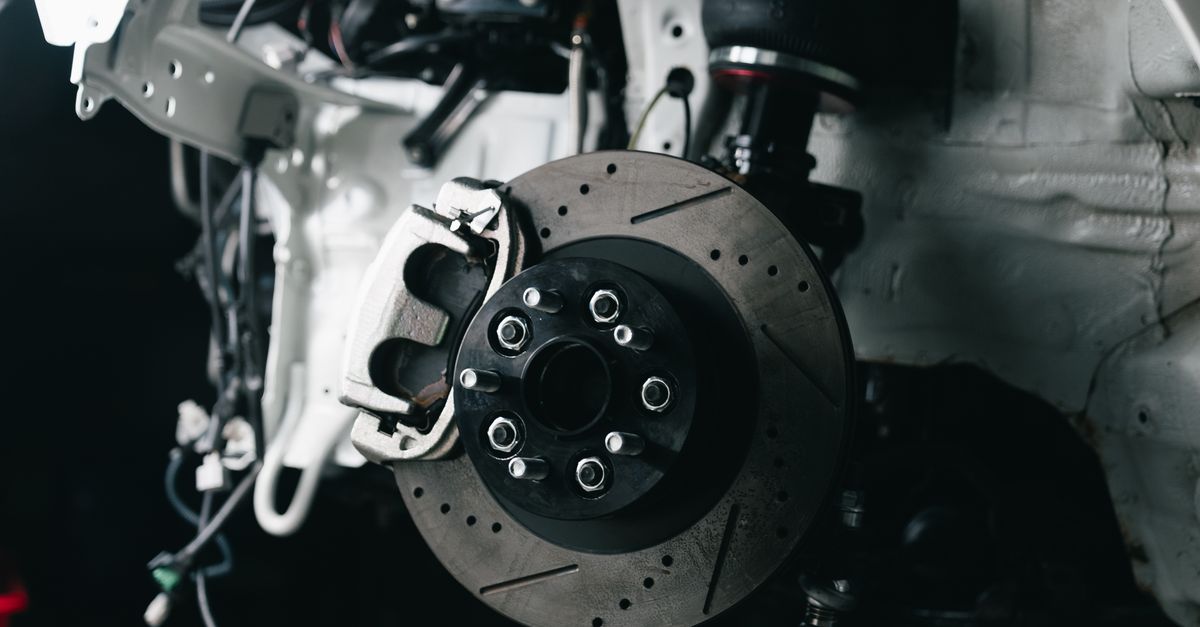
There are several types of brake parts upgrades available, including brake pads, rotors, calipers, and brake fluid. Each of these components plays a critical role in your vehicle’s braking system, and upgrading them can improve your vehicle’s performance and safety.
- Brake pads: Upgrading your brake pads can improve your vehicle’s stopping power and reduce brake dust.
- Rotors: Upgrading your rotors can improve your vehicle’s heat dissipation and reduce warping.
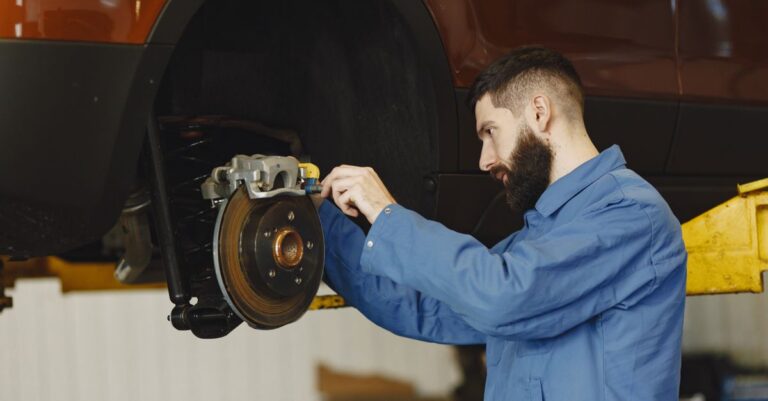
- Calipers: Upgrading your calipers can improve your vehicle’s braking performance and reduce brake fade.
- Brake fluid: Upgrading your brake fluid can improve your vehicle’s braking performance and reduce corrosion.
Choosing the Right Brake Parts Upgrades
Choosing the right brake parts upgrades for your vehicle can be overwhelming, especially with so many options available. Here are some factors to consider when selecting brake parts upgrades:
- Vehicle make and model: Make sure the brake parts upgrades you choose are compatible with your vehicle’s make and model.
- Driving style: If you drive aggressively, you may want to consider upgrading your brake pads and rotors to improve your vehicle’s stopping power.
- Budget: Brake parts upgrades can range in price, so set a budget and choose upgrades that fit within it.
Common Mistakes to Avoid
When upgrading your brake parts, there are several common mistakes to avoid. These include:
- Not researching the upgrade: Make sure you research the upgrade and understand how it will improve your vehicle’s performance and safety.
- Not installing the upgrade correctly: Make sure you follow the manufacturer’s instructions and install the upgrade correctly to avoid any issues.
- Not testing the upgrade: Make sure you test the upgrade to ensure it is working properly and not causing any issues.
Maintenance Tips
To keep your brake parts upgrades in good condition, it’s essential to perform regular maintenance. This includes:
- Inspecting your brake pads and rotors regularly to ensure they are not worn out.
- Changing your brake fluid regularly to keep your braking system clean and free of corrosion.
- Cleaning your brake components regularly to keep them free of dust and debris.
Comparison of Brake Parts Upgrades
| Upgrade | Price | Performance Improvement |
|---|---|---|
| Brake pads | $50-$100 | 10%-20% improvement in stopping power |
| Rotors | $100-$300 | 20%-30% improvement in heat dissipation |
| Calipers | $200-$500 | 30%-40% improvement in braking performance |
For more information on brake parts upgrades, visit SEMA or Driven2Parts to explore our selection of aftermarket brake parts.
Conclusion
In conclusion, brake parts upgrades can significantly improve your vehicle’s performance and safety. By choosing the right upgrades and performing regular maintenance, you can ensure your vehicle is stopping as well as it can accelerate. Remember to research and test any upgrades before installing them, and always follow the manufacturer’s instructions.
FAQ
Q: What are the benefits of upgrading my brake parts?
A: Upgrading your brake parts can improve your vehicle’s stopping power, reduce brake dust, and improve heat dissipation.
Q: How do I choose the right brake parts upgrades for my vehicle?
A: Consider your vehicle’s make and model, driving style, and budget when selecting brake parts upgrades.
For trusted information on vehicle safety, visit the National Highway Traffic Safety Administration website.