How to Pick Aftermarket Brake Pads for Better Stopping
Why Aftermarket Brake Pads Matter
When you replace the friction material on your rotors, you have a chance to improve grip, reduce dust, and extend component life. Aftermarket brake pads often provide a better price‑to‑performance ratio than OEM parts, especially for drivers who demand more than a commuter‑grade feel. The right set can shave a few feet off your stopping distance and give you a firmer pedal feel without sacrificing durability.
Key Factors When Selecting Aftermarket Brake Pads
Choosing the proper set isn’t a matter of grabbing the first box you see. Consider these variables before you buy:
- Material composition – organic, semi‑metallic, and ceramic each have distinct wear patterns and noise characteristics.
- Vehicle weight and usage – A light hatchback used for city commuting will benefit from a different formula than a heavy‑duty truck that hauls loads.
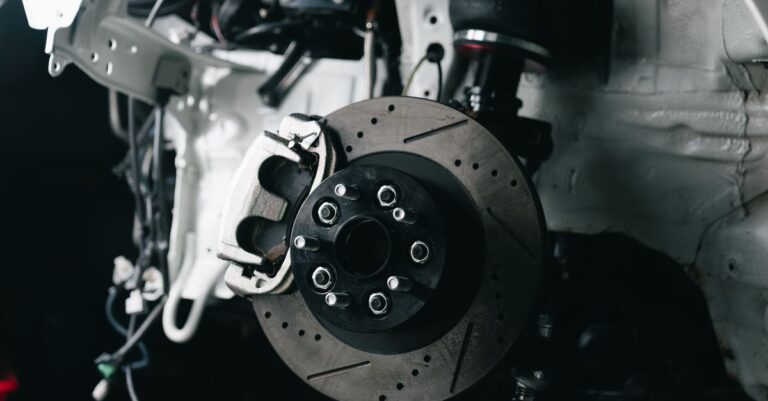
- Rotor compatibility – Verify that the pad thickness and backing plate match the factory rotor dimensions.
- Temperature tolerance – Performance driving generates more heat; look for pads rated for high‑temperature stability.
- Noise and dust – Some blends produce more brake dust or squeal; read reviews from owners of the same make and model.
By weighing each factor, you can narrow the field to a few candidates that truly fit your driving style.
Common Mistakes to Avoid
Even seasoned mechanics slip up when swapping aftermarket brake pads. Here are the most frequent errors and how to sidestep them:
- Installing the wrong pad thickness, which can cause the caliper pistons to bind.
- Skipping the brake fluid bleed after a pad change, leading to a spongy pedal.
- Re‑using old hardware without cleaning, allowing corrosion to creep into the assembly.
- Neglecting to torque the caliper bolts to manufacturer specifications.
- Choosing a pad solely on price, ignoring material suitability for your vehicle.
Installation Tips and Maintenance
Proper installation is as critical as the pad selection itself. Follow these steps for a reliable fit:
- Warm up the brakes gently to expand the pistons before removal.
- Compress the caliper pistons with a C‑clamp or a brake piston tool to create space for the new pads.
- Clean the rotor surface with a dedicated brake cleaner; avoid oil or grease.
- Apply a thin layer of high‑temperature brake grease to the pad backing where it contacts the caliper.
- Torque all fasteners to the vehicle’s service manual values.
After installation, perform a short “bedding‑in” routine: accelerate to about 30 mph, then brake firmly to near‑stop, repeat 5–6 times. This transfers a thin layer of pad material onto the rotor, ensuring even wear.
Comparison of Popular Aftermarket Brake Pad Brands
| Brand | Material | Noise Level | Dust Production | Ideal Application |
|---|---|---|---|---|
| PowerStop | Ceramic | Low | Low | Daily driver, light‑truck |
| Akebono | Organic | Very low | Very low | Luxury sedans, commuter |
| EBC Brakes | Semi‑metallic | Medium | Medium | Performance cars, track days |
| Hawk Performance | Performance‑oriented semi‑metallic | Medium‑high | High | Racing, aggressive street use |
Each brand targets a niche. If you prioritize low dust and quiet operation, Akebono’s organic line is a solid pick. For spirited driving where heat resistance matters, EBC or Hawk provide the extra bite.
FAQ
Q: Can I mix OEM rotors with aftermarket brake pads?
A: Yes, as long as the pad thickness and backing plate are compatible. Most quality aftermarket pads are engineered to work with factory rotors.
Q: How often should I replace my brake pads?
A: Typical wear ranges from 30,000 to 70,000 miles, but aggressive driving or heavy loads can shorten that interval.
Q: Do ceramic pads wear out rotors faster?
A: Ceramic pads are generally gentler on rotors, but they can be harder on the caliper pistons if not lubricated correctly.
Q: Is it safe to install brake pads myself?
A: With the right tools and a service manual, most DIY enthusiasts can replace pads safely. If you feel unsure, a professional can verify the job.
Final Thoughts
Choosing the right aftermarket brake pads is a blend of material knowledge, vehicle specifics, and personal preference. By avoiding common mistakes, following proper installation steps, and selecting a brand that matches your driving demands, you’ll enjoy consistent stopping power and longer component life.
When it’s time for a fresh set, explore the curated selection at Driven2Parts. Quality parts, clear returns, and expert support make the upgrade straightforward.
For deeper technical details on brake system standards, see the SAE guide on friction material performance: SAE International.