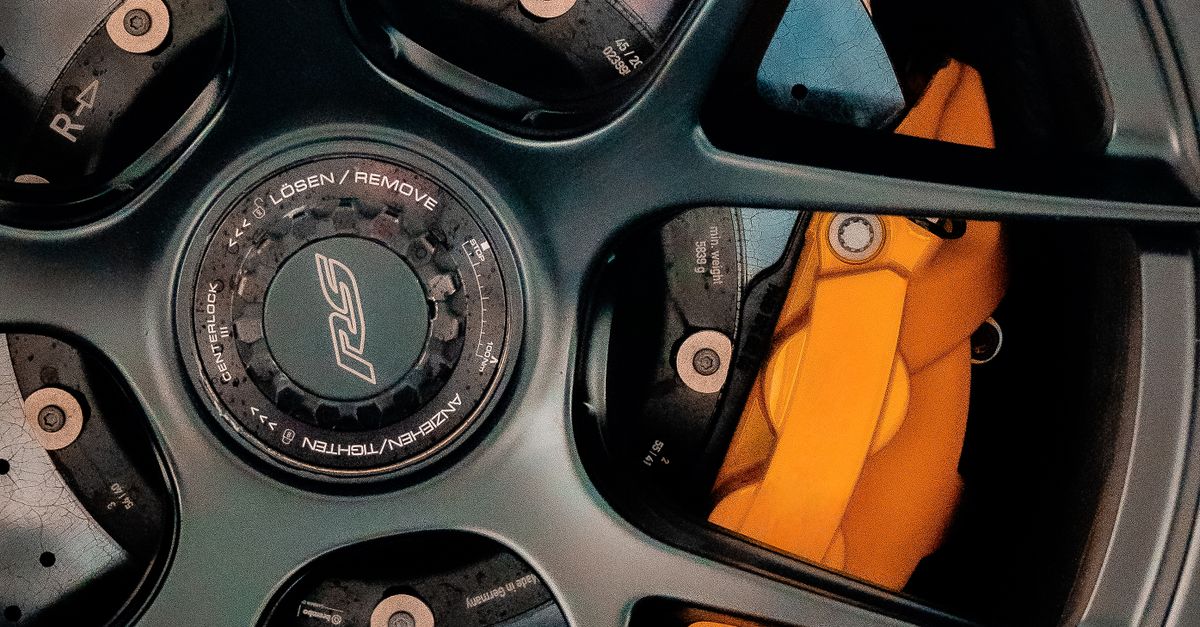
How a Performance Brake Upgrade Boosts Safety & Speed
When you install a performance brake upgrade, you’re giving your vehicle a firmer stopping power that matches higher horsepower or heavier loads.
Performance Brake Upgrade Benefits
A well‑chosen performance brake upgrade delivers several tangible advantages:
- Shorter stopping distances – larger rotors and multi‑piston calipers increase friction surface.
- Improved fade resistance – high‑temperature pads stay effective during repeated hard stops.
- Better pedal feel – reduced lever travel gives more feedback to the driver.
- Increased resale value – quality aftermarket components are attractive to future owners.
These benefits translate to everyday safety and to track‑day performance, making the upgrade a smart investment for both daily drivers and enthusiasts.
Choosing the Right Components
Selecting the proper parts is critical. Consider these factors before buying:
- Vehicle application – trucks, sports cars, and off‑road rigs each have unique brake demands.
- Driving style – street commuting versus aggressive track use dictates pad compound and rotor size.
- Budget – premium brands like Brembo or Wilwood cost more but often provide longer life.
- Fitment – verify bolt‑pattern compatibility and rotor clearance.
At Driven2Parts shop you’ll find OEM‑quality aftermarket rotors, calipers, and pads that meet these criteria.
Installation Tips for DIY Mechanics
Even a seasoned DIYer should follow a disciplined process to avoid costly errors:
- Gather tools – torque wrench, disc brake spreader, brake fluid bleed kit, and a clean work area.
- Document the original setup – take photos before disassembly for reference.
- Replace hardware – use new lug nuts and caliper pins to prevent corrosion.
- Torque to spec – follow the manufacturer’s torque values, typically 80‑100 Nm for caliper bolts.
- Bleed the system – remove air bubbles using a proper bleeding sequence.
When in doubt, consult the vehicle’s service manual or a trusted mechanic.
Maintenance Checklist After the Upgrade
Regular upkeep keeps the performance brake upgrade delivering peak performance:
- Check pad thickness every 5,000 miles; replace when < 3 mm.
- Inspect rotors for scoring or cracks; machine or replace as needed.
- Flush brake fluid every 24 months to prevent moisture buildup.
- Lubricate caliper slide pins with high‑temperature grease.
- Verify pedal feel after the first 200 miles; adjust brake bias if required.
Following these steps reduces wear and extends component life.
Common Mistakes to Avoid
Even experienced builders slip up. Avoid these pitfalls:
- Mixing pad compounds – pairing a high‑temperature pad with a low‑temp rotor can cause uneven wear.
- Skipping torque verification – under‑torqued bolts lead to rotor warpage.
- Using old brake fluid – contaminated fluid lowers boiling point, increasing fade.
- Neglecting hardware replacement – worn pins or clips compromise caliper alignment.
- Improper bedding – failing to follow a proper bedding procedure reduces pad performance.
Performance Brake Upgrade Comparison Table
| Component | Stock | Performance Upgrade | Price Range |
|---|---|---|---|
| Rotors | Standard cast iron, 10‑inch | Ventilated 12‑inch, slotted or drilled | $120‑$250 each |
| Calipers | Single‑piston, OEM | Four‑piston aluminum, floating | $250‑$500 each |
| Pads | OEM organic, 8‑mm | Semi‑metallic or ceramic, 10‑mm | $50‑$120 set |
| Brake Fluid | DOT 3, 1‑liter | DOT 4 or DOT 5.1, high‑temp | $10‑$25 bottle |
The table highlights the key differences you’ll notice after a performance brake upgrade. While the cost is higher, the gains in stopping power and durability are measurable.
FAQ About Performance Brake Upgrades
Q: Will a performance brake upgrade affect my ABS?
A: Modern ABS systems are calibrated for a range of brake pressures. Upgrading rotors and pads typically does not require re‑programming, but extreme changes (e.g., oversized rotors) may need a recalibration.
Q: How often should I replace upgraded pads?
A: It depends on driving style. Street drivers may get 30,000‑40,000 mi, whereas track use can reduce life to 5,000‑10,000 mi.
Q: Are performance brake kits legal for street use?
A: Yes, as long as the components meet federal safety standards. Check NHTSA regulations for your vehicle class.
Q: Can I mix OEM rotors with aftermarket calipers?
A: It’s possible, but ensure the rotor size matches the caliper’s piston layout to avoid uneven pressure.
Q: What’s the best way to bed new pads?
A: Perform 8‑10 moderate stops from 30‑40 mph, allowing the pads to cool between each stop. Follow the pad manufacturer’s specific procedure.
Ready to upgrade? Browse our curated selection of performance brake components at the Driven2Parts shop and experience the confidence of a stronger, more responsive braking system.