The Ultimate Guide to Performance Brake Upgrades for 2026
When it comes to extracting confidence from the road, performance brake upgrades are the first line of defense. Whether you haul a heavy truck, chase lap times, or simply want a more predictable stop, the right brake components can make a measurable difference in safety and driving pleasure.
Why Performance Brake Upgrades Matter
Factory brakes are engineered for average conditions and mileage. Enthusiasts and professionals often push vehicles beyond those limits, demanding more heat resistance, bite, and modulation. Upgrading the brake system reduces fade, shortens stopping distances, and provides a firmer pedal feel—critical for performance driving and heavy‑load towing alike.
Performance Brake Upgrades: Choosing the Right Components
Selecting the proper parts starts with understanding the three core elements: pads, rotors, and calipers. Each plays a distinct role in converting kinetic energy into heat and then dissipating that heat safely.
- Brake Pads – The friction surface. Look for ceramic or semi‑metallic compounds that match your driving style.
- Rotors – The heat sink. Slotted or drilled rotors improve cooling and gas evacuation.
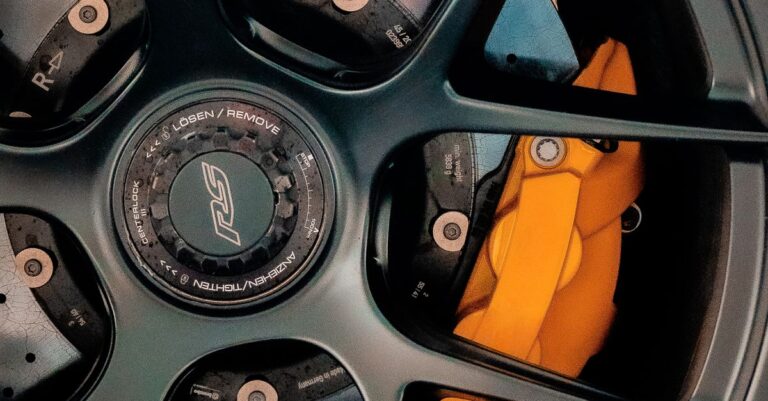
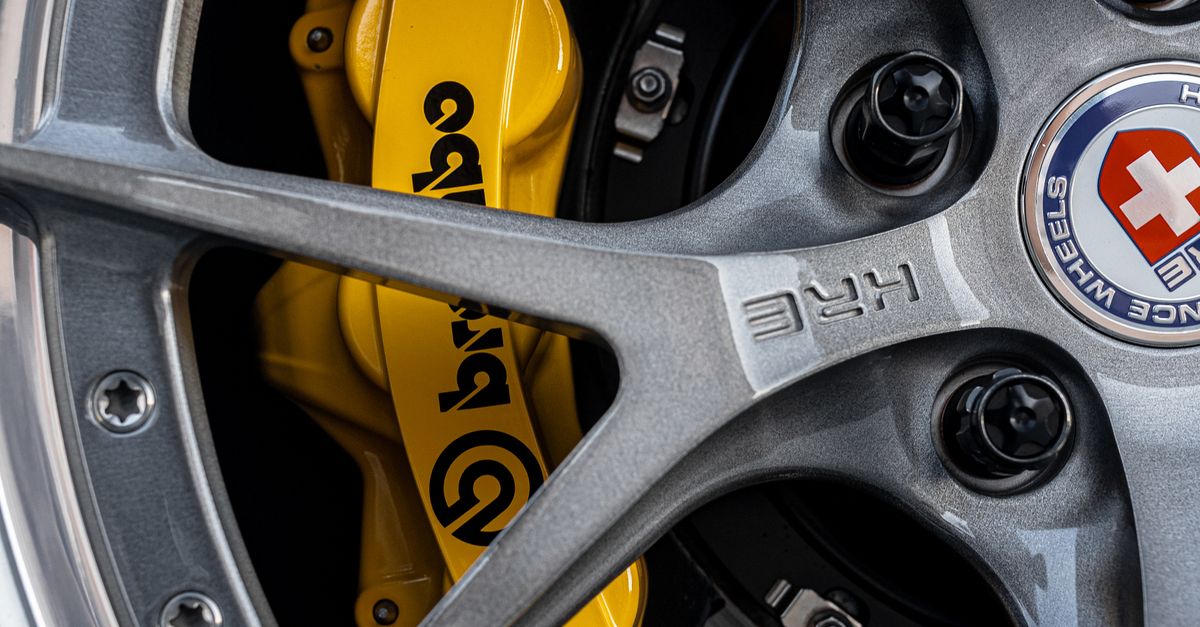
- Calipers – The hydraulic lever. Upgraded multi‑piston calipers increase clamping force and even pad wear.
Rotors and Calipers: Upgrading the Hardware
For most DIY mechanics, swapping pads is the easiest entry point, but pairing them with performance rotors unlocks the full potential. Choose rotors with a diameter that matches or exceeds OEM specifications; larger diameters increase leverage and heat capacity. When fitting new calipers, verify that the mounting brackets align with your vehicle’s brake‑by‑wire or hydraulic system.
Installation Tips for DIY Mechanics
Proper installation is as important as part selection. Follow these steps to ensure a trouble‑free upgrade:
- Warm up the brake system by gently applying the pedal; this expands the caliper pistons and eases removal.
- Use a torque wrench to fasten caliper bolts to the manufacturer’s specification—usually between 30–45 Nm.
- Bed‑in new pads and rotors using the manufacturer’s break‑in procedure, typically 8–10 moderate stops from 30‑60 mph.
- Bleed the brake lines to remove air bubbles; a compromised hydraulic seal can mimic pad wear.
Maintenance and Longevity
Even the best performance brake upgrades require regular care. Incorporate these habits into your routine:
- Inspect pad thickness monthly; replace when the friction material reaches 2 mm.
- Check rotor surface for scoring or cracking; resurfacing is rarely recommended for performance rotors—replace instead.
- Flush brake fluid every 24 months or sooner if you notice a spongy pedal.
- Keep the caliper pins lubricated with high‑temperature grease to prevent uneven wear.
Common Mistakes to Avoid
Even seasoned enthusiasts can slip up. Avoid these pitfalls to protect your investment:
- Mixing ceramic pads with steel‑backed rotors—different thermal expansion rates can cause premature warping.
- Skipping the bedding‑in process; new pads need heat cycling to develop a proper transfer layer.
- Using low‑grade hardware (e.g., cheap banjo bolts) that can strip threads under high pressure.
- Neglecting to torque bolts to spec; over‑tightening can crack caliper pistons.
Comparison of Top Brake Pad Brands
| Brand | Pad Material | Price Range | Lifetime (mi) | Recommended For |
|---|---|---|---|---|
| Hawk Performance | Ceramic | $120‑$180 per set | 30,000‑40,000 | Street & Track |
| EBC Brakes | Semi‑Metallic | $100‑$150 per set | 25,000‑35,000 | Heavy‑Duty & Off‑Road |
| PowerStop | Carbon‑Ceramic | $150‑$220 per set | 35,000‑45,000 | High‑Performance |
FAQ
Do performance brake upgrades affect fuel economy?
Generally no. Brakes are engaged only a fraction of driving time, so the added weight of larger rotors or calipers has a negligible impact on fuel consumption.
Can I mix OEM rotors with aftermarket pads?
Yes, but for optimal performance you should match the pad compound to the rotor design. Ceramic pads on slotted rotors work well, while semi‑metallic pads pair better with drilled rotors.
How often should I replace brake fluid after upgrading?
Brake fluid absorbs moisture over time. After a major brake upgrade, flush the system and then follow a 24‑month replacement schedule.
Is it safe to use performance brakes on a daily driver?
Absolutely. Modern performance kits are engineered for everyday reliability while delivering better stopping power when you need it.
Ready to experience the confidence that comes with a properly tuned braking system? Explore our curated selection of performance brake upgrades and find the exact parts that match your vehicle and driving style.
For further safety guidelines, consult the NHTSA brake safety standards before installation.